Events
Nobel Laureates visiting the TU Dresden: Sir John B. Gurdon
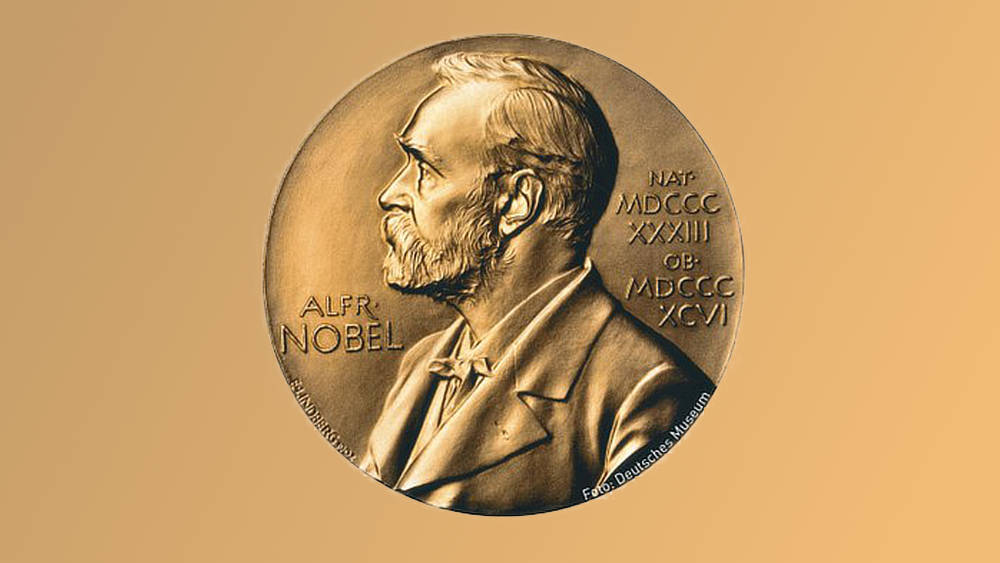
We are happy to welcome you to this year’s lecture series “Nobelpreisträger zu Gast an der TU Dresden.” Clone pioneer, mismatch researcher, master of flies and ghost-particle hunter – four outstanding and distinguished scientists, among them one woman, will give a public talk at TU Dresden and share with us the sensation of being honoured with one of the world’s most famous prizes.
Sir John B. Gurdon
2012 Nobel Prize in Physiology or Medicine
Somatic cell nuclear transfer: memory of the past versus hope for the future
The British developmental biologist Sir John B. Gurdon was awarded the 2012 Nobel Prize in Physiology or Medicine “for the discovery that mature cells can be reprogrammed to become pluripotent.” As early as in 1962, Gurdon published his groundbreaking results from his experiments with frogs, which, in the beginning, were skeptically reviewed by other researchers of the time. For his studies, Gurdon removed the nucleus of fertilized egg cells from a frog and replaced it with the nucleus of cells taken from a tadpole's intestine. Some of these modified egg cells grew into new frogs. With a frog cloned from an intestine’s nucleus, Gurdon found the prove that the mature cell, just as embryonic stem cells, still contain the genetic information needed to form all types of cells. This pioneering study was supposed to become the fundamental work for stem cell research. Sir John Gurdon shares his Nobel Prize with the Japanese stem cell researcher Shinya Yamanaka, who was the first to generate induced pluripotent stem cells (iPS cells) in 2006.